
-
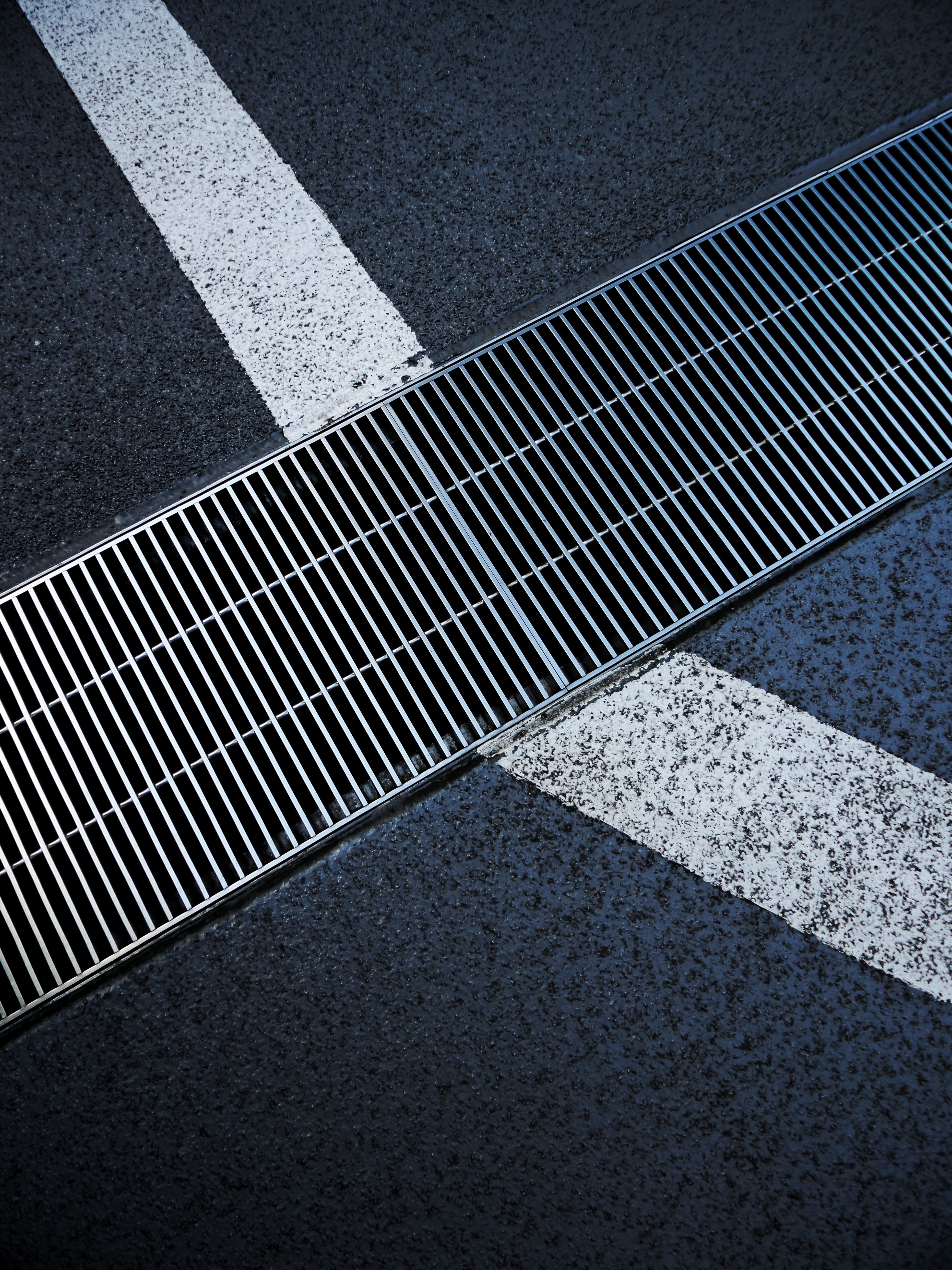
Drainage Channel vs. Intercepting Channel: A Complete Guide to Interception Drainage
An intercepting channel — also called an intercepting ditch, catch drain, berm ditch or open trench — cuts water off before it reaches the roadbed. It is built along the top of a cut slope, on natural ground, or outside the top edge of the curb, where it can intercept sheet flow coming from highe...Read more -
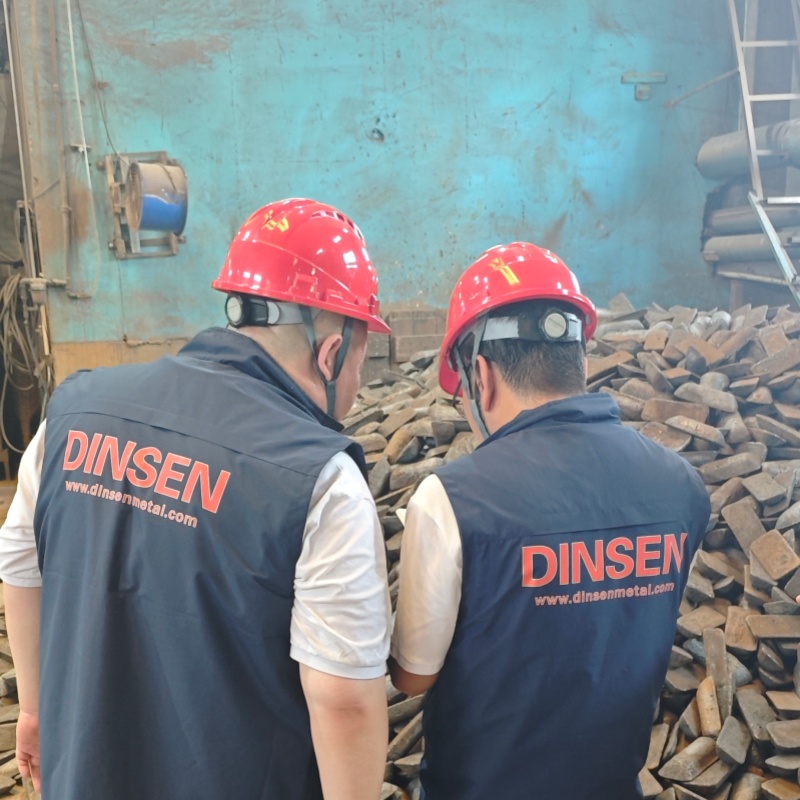
DINSEN Ductile Starts at Source, Gray Iron Proven in the Lab
Two materials, two strategies — both audit-ready. Ductile pipes and fittings (EN 545 / EN 598) live or die by the melt, so we control from the source: Q10/Q12 pig iron and nodularizing cored wire are segregated at the yard, each batch matched to a mill certificate (S ≤ 0.05%, P ≤ 0.08%). Incoming...Read more -
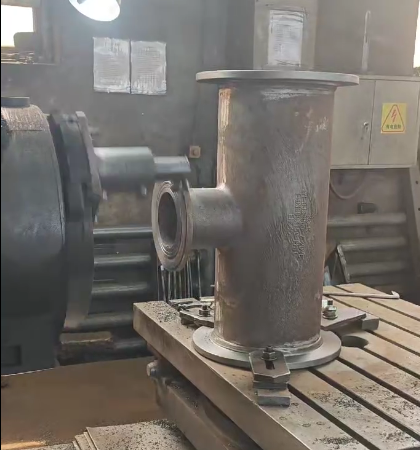
How Ductile Iron Pipe Fittings Are Made
By Vincent, Quality Engineer | DINSEN How are ductile iron pipe fittings made? In most foundries, the answer involves two steps: casting the fitting body, then machining a sealing groove into each flange face. DINSEN takes a different route. Our ductile iron pipe fittings are produced with cast-i...Read more -
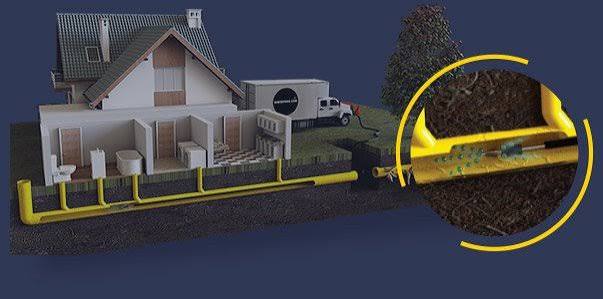
Ductile vs Malleable Iron: Corrosion & Coating Comparison
Selecting the right material for piping systems is a critical decision that impacts long-term durability, maintenance costs, and overall system integrity. Among the most common choices are malleable iron and ductile iron fittings. While both are ferrous metals, they differ significantly in micros...Read more -
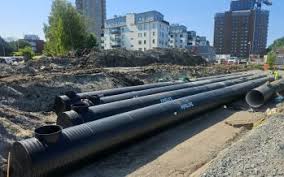
Why Choose DINSEN Ductile Iron Pipe?
When you build infrastructure, you need materials you can trust. Pipes must handle tough conditions like freezing cold, scorching heat, heavy traffic, and shifting soil. Among all the options available today, DINSEN EN545 pipe stands out as a top choice for engineers and project managers around t...Read more -
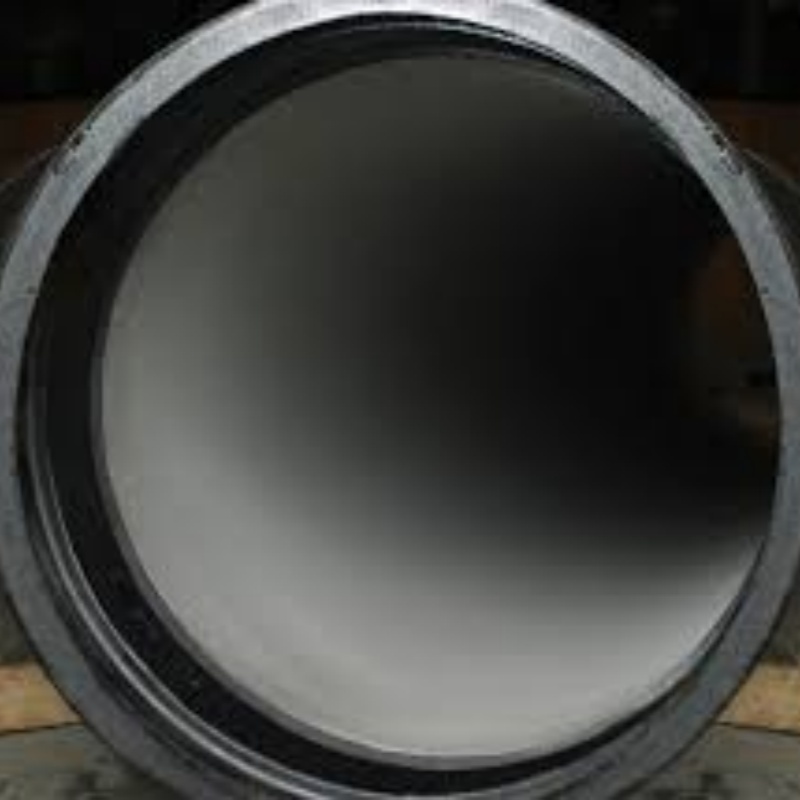
What Is Ductile Iron Pipe Lined With? A Complete Guide
When you choose a ductile iron pipe, one key question is: What is inside it? The internal lining protects the pipe from corrosion, keeps water clean, and ensures a long service life. Different linings suit different jobs. Below are the most common types of internal coatings for ductile iron pipes...Read more -
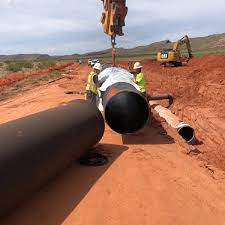
How to Repair a Ductile Iron Pipe
Ductile iron pipe is widely used in water supply and sewage systems because of its strength, durability, and corrosion resistance. However, like any material, it can develop leaks due to ground movement, pressure surges, or joint failure. Knowing how to repair a ductile iron pipe quickly and effe...Read more -
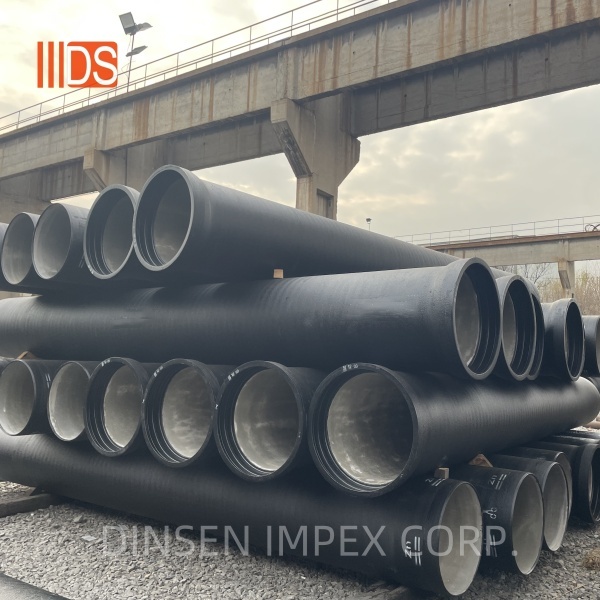
How Much does Ductile Iron Pipe Weigh
In water supply and drainage engineering, municipal pipe networks, and industrial pipeline systems, ductile iron pipe has become an ideal substitute for traditional cast iron and steel pipes due to its excellent mechanical properties and corrosion resistance. Understanding the key technical param...Read more -
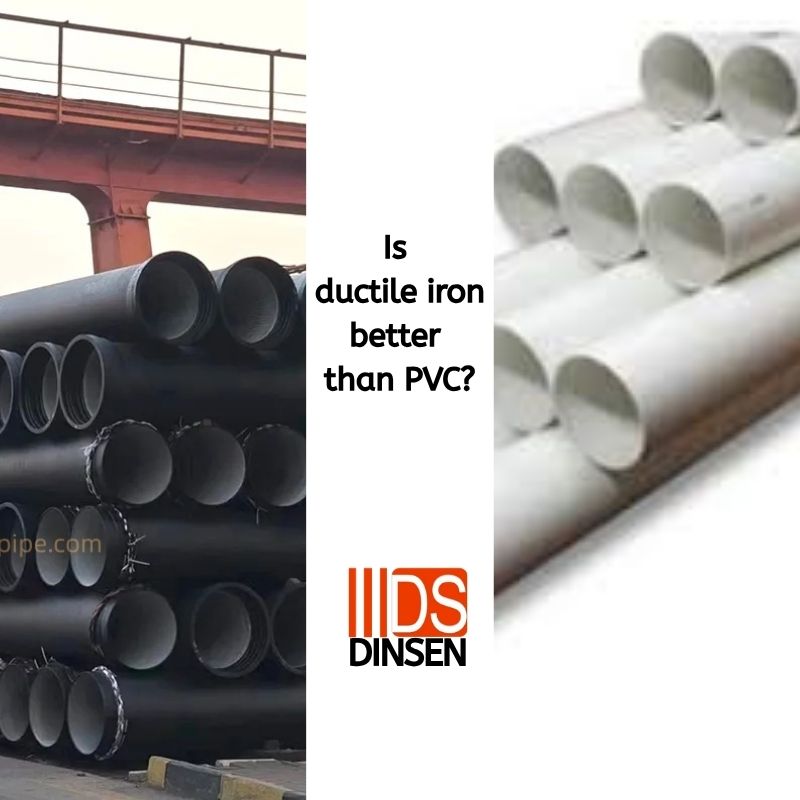
Is Ductile Iron better than PVC?
In urban lifeline projects and large-scale water supply network construction, the choice of pipe material directly impacts operation and maintenance costs and water supply security for decades to come. PVC pipes, due to their lightweight and corrosion resistance, were once a hotly debated option ...Read more -
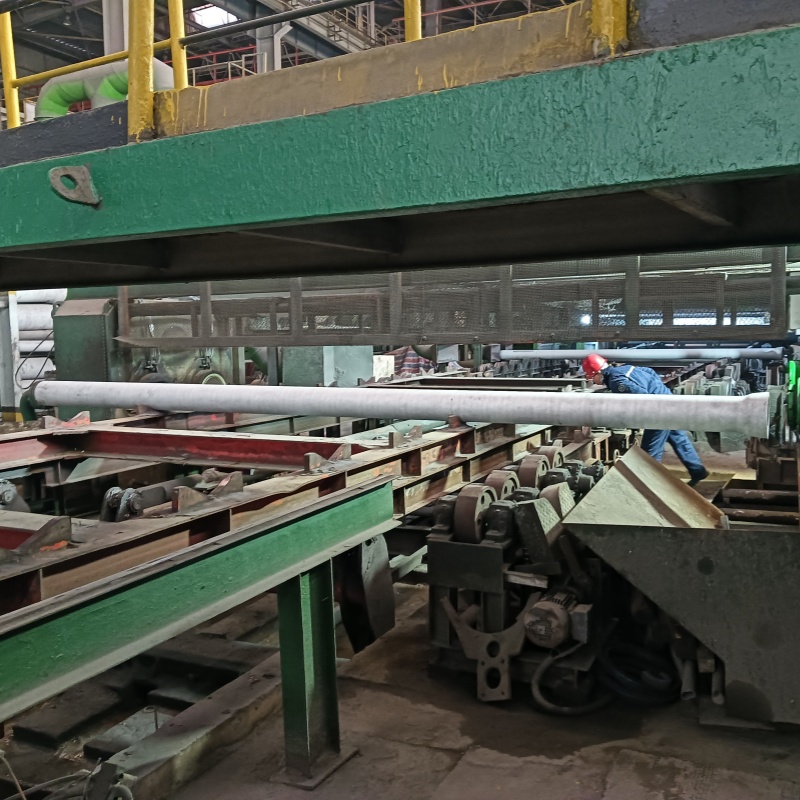
The Manufacturing Process Of Ductile Iron Pipe
Visitors to the DINSEN ductile iron facility are often curious about how ductile iron pipes are manufactured. The raw materials for ductile iron pipes are primarily high-purity molten iron or pig iron, requiring low phosphorus and low sulfur content to ensure the basic quality of the pipe materia...Read more -
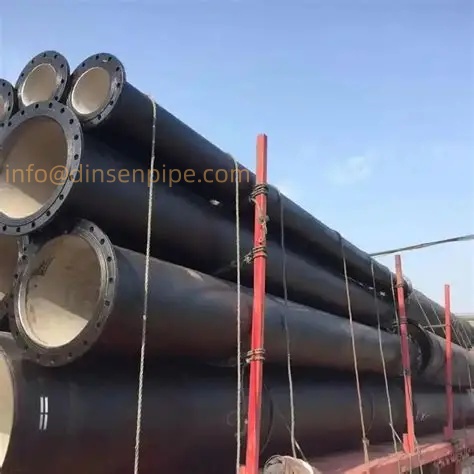
What does DICL Pipe Stand for?
DICL Pipe Stand for Ductile Iron Concrete Lined Pipe that meets Australian and New Zealand standard AS/NZS, are sized to an independent specification, that is not compatible with European pipes even though the same nomenclature is used. The primary form of lining for water treatment pipelines is ...Read more -
What is Ductile Iron Used for
Ductile iron, a material known as the “invisible steel artery” due to its combination of the strength of steel and the toughness of iron, will be explored in this article. This article will delve into the unique manufacturing process of ductile iron, analyze its core applications, and...Read more

© Copyright - 2010-2026 : All Rights Reserved by Dinsen Featured Products - Hot Tags - Sitemap.xml - AMP Mobile
Dinsen aims to learn from world famous enterprise like Saint Gobain to become a responsible, trusty company in China to keep improving the human being life!